Showing posts with label Fruit seeds. Show all posts

Monday, 15 October 2018

Palmyra With it's Health Benefits


Description:


Palmyra palm is a kind of very tall tree, can reach a height of 30 meter. The leaves are long, fan shaped, 2-3 m long. The fruits are large, brown, round with three sweet jelly seed sockets inside which are translucent, pale white in colour with a mild sweet flavour. And the seeds covered by a thin, yellowish-brown skin. Palmyra or Sugar palm or Toddy palm is a rich source of vitamins B and C, iron, zinc, potassium, calcium, phosphorus, thiamine, and riboflavin.


Health Benefits:

1. It contains minerals such as Potassium, Iron, Calcium, Phosphorus and Zinc.

2. As the fruit is full of vitamins, helps on diet and from diabetes.

3. Sugar palm fruit is also beneficial in treating inflammatory skin problems.

4. The pulp of the mature fruit is very helpful to Dermatitis.

5. Palm fruit has anti-inflammatory and anti-oxidant properties.

6. It also replenishes the lost minerals and nutrients of the body and prevents painful urination and tiredness.

9. And it is very useful to cure stomach problems.

10. For treating ulcers and liver problems Palmyra is a good choice.

Monday, 23 July 2018

Pumpkin Seeds Germination ,Growing ,Care Use and its Health Benefits


 Description:

Pumpkin is a very common vegetable. It is a seasonal plant. And it is a fast-growing vine that creeps along the surface in a similar fashion as that of other Cucurbitaceae family vegetables and fruits such as cucumber, squash and so on. Pumpkin is a good source of vitamin A, vitamin C, energy and other nutrients like water, carbohydrate, fat, protein and such other.


Health Benefits:

1. Pumpkin contains  potassium, antioxidant, beta carotene properties which is very helpful to our health grow.
2. As pumpkin contains huge quantity of water that makes you feel full for hours and keeps you hydrated. And thus it is low in calories and helps to loss weight for a perfect diet.
3. Pumpkin is very useful to remove optical problems  and therefore maintains the eye health.
4. Pumpkin pulp and seeds both are high in vitamin C and beta-carotene. These offer a boost to the immune system using a powerful combination of nutrients.
5. It helps to protect the heart from ailments. Also, a good intake of potassium is proven to reduce the risk of stroke. And the magnesium and fiber in it is essential to our heart health.
6. Pumpkin may helps to control the diabetes.
7. It reduces the risk of cancer.
8. The pumpkin seeds are rich in zinc, and it raises testosterone levels. So it has the power to boost the male sexual health.
9. Pumpkin will also help reduce one of the more common symptoms of pregnancy which known as dreaded constipation.
10. Pumpkins are rich in tryptophan, they could also act as a sleep stimulants.
11. Pumpkin, mainly the seeds helps to reduce the inflammation.
12. Pumpkins are very helpful to women's health. It reduces the risk of bladder stones. And it is also helpful to the women who have menopause. 

Monday, 21 May 2018

Nutmeg Growing ,Care Use and its Health Benefits


Description:

Nutmeg is the seed or ground spice of several species of the genus Myristica that grow on an evergreen tree, with the scientific classification Myristica fragrans, also known as common nutmeg. This tree cultivated for two spices derived from its fruit. Nutmeg, which is the seed of the tree, as well as mace, a less common spice derived from the dried reddish shell of the seed. This is the only tree which is the source of two distinct spices (nutmeg and mace) in the world. Nutmeg and mace have similar sensory qualities, with nutmeg having a slightly sweeter and mace a more delicate flavour.


Nutmeg is also known as ‘Jaiphal’ in Hindi, ‘Jajikayi’ in Telugu, ‘Jaadhikai’ in Tamil, ‘Jathikka’ in Malayalam, ‘Jeerake’ in Kannada, ‘Jayiphal’ in Gujarati, and ‘Jayphal’ in Marathi.


Benefits of Nutmeg:


1. Nutmeg has a distinctive pungent fragrance and a warm slightly sweet taste; it is used to flavour many kinds of baked goods, confections, puddings, potatoes, meats, sausages, sauces, vegetables, and such beverages as eggnog.

2. Mace has flavour similar to nutmeg but more delicate; it is used to flavour baked goods, meat, fish, vegetables and in preserving and pickling.

3. The essential oil obtained by steam distillation of ground nutmeg is used widely in the perfumery and pharmaceutical industries

4. Nutmegs have antioxidants that are very useful in smooth functioning of the body.

5. This aromatic spice has been used as an aphrodisiac since ages and also has hormone stimulating properties.

6. Nutmeg butter is used in the form of ointments, hair lotions and plaster as a mild external stimulant.

7. The fiber content value of nutmeg is usually retained in its powdered form. This aids in the digestive process.

8. The iron content in the nutmegs improves the red blood cells count in our blood.

9. It increases blood circulation in the scalp and helps hair growth. It also helps in reducing wrinkles, fine lines and other signs of aging.

10. The antibacterial properties of nutmeg boost the immunity of the teeth and gums by killing the bacteria in the mouth.

Wednesday, 14 June 2017

Mango Seeds Germination ,Growing ,Care, Use and its Surprising Health Benefits.


Buy Plants Online

Growing Conditions:

Germination Time:

1.Collect rich soil and mix with sieved vermiculite with a handful of sand.
2.Take a well-drained container.
3.Sow the seeds on the container without covering .
4. Sprinkle water until soggy the seed.
5.USDA zone 10 to 14
6.It takes about 30 to 40 days to germinate.
7.Regular water, but do not leave them with until sprout.Because seeds require regular moisture to sprout.
8.Keep it Full bright area after germination but don't place in direct sunlight area.Once the plant starts to grow, give it as much light as possible, including moving it outside if possible.
9. A rich, peat-based potting soil with excellent drainage is beneficial.

Repotting:


Mango seeds are best sprouted at the beginning of the growing season. They will grow fairly fast throughout that first growing season.Avoid damage the baby mango plant don't try to report the seedling plant.Try to sow the seeds from beginning on small container or specific ground. Seedling Mango will grow quickly if the it placed on open vacant area fruits will bear within five to six years.

Mango is one of the most heavily bred plants in the world. The breeders and growers have created thousands of cultivars. Cultivars are bred for their fruit.

Mango trees are one of the easiest trees to start from a seed but need out side ground. Mature plants can easily reach 60 to 100 feet, depending on the species.The size and flavor of the fruit depends on the variety . Depending on climate, mango trees can grow 30 to 65 ft (9 to 20 m) tall and survive for 250 to 300 years.

Check your climate zone. Mango's are native to the hot, humid tropics of Asia and Oceana. Outside of that area, mango trees grow well in USDA hardiness zones 10 to 14 or above (minimum annual temperatures 45ºF/-15ºC or above). In cold areas, mango can grown in a big containers place indoors during freezing. weather.But maintain indoor is very difficult for mango plants.

Once planted, mango seeds usually sprout within 30 to 40 days, but it takes mango trees about one year to reach 3 to 4 feet tall. It takes 5 years for maturity. After planting grafted plant , it takes mango trees between two and four years to produce fruit. It takes three to six months to mature. Mature mango trees can reach heights and spreads of more than 40 feet, and some live for more than 300 years.

Jamun or Indian Black Plum Germination ,Growing ,Care, Use and its Surprising Health Benefits.


Jamun is a luscious, juicy, delicious and tangy fruit. It is also known as black plum, Indian black cherry, Ram jamun etc. in different parts of India. It is widely cultivated in tropical and sub-tropical climates.

Jamun or black plum is a popular indigenous fruit Of India. As the tree has originated in India and now it has spread to other tropical regions in Asia.It has got a very valuable place in Ayurvedic medicines. It is believed to be a boon for diabetic patients.


Health Benefits:

It has many health and medicinal benefits due to a high amount of iron.
The juice of the fruit is diaphoretic, antidiabetic and useful in stomach disorders.
Drinking fresh Jamun juice helps in reducing cough and asthma and also treating piles.
Its juice enhances your immune system and protects you from cold and acts as anti-ageing agent.
Dried seeds of jamun are powdered and given to diabetic patients.
Extract of the juice is given with a little salt to patients suffering from jaundice. It is given every alternate day.


To Sow Jamun Seeds:

  • It is recommended sow direct on soil  or seedling tray with full of good soil.
  • Sow the seeds horizontally on soggy soil. Do not cover the seeds with.
  • The temperature should vary between 18-30 degree Celsius. USDA zone 11 to 14
  • Water the soil frequently for keep moist until plants emerge.
  • Within 30-40 days the seed will sprout.


Growing Conditions:

Light:

Jamun thrive in full sun, but be aware that plants need to be acclimated. Young plants that are not used to full sun will suffer from sudden exposure to bright light, but once acclimated, they will definitely perform better.

Water:

They prefer ample and regular water throughout the year.

Soil:

Clay, Lumy soil

Fruits Bearing Times:

Black Plum during the month of June, July and August In India.

Friday, 31 March 2017

Rambutan Plants Cultivation ,Growing ,Care, Use and its Surprising Health Benefits.


Rambutan (scientifically termed as ‘Nephelium Lappaceumis’) is a fruit that definitely features in the list of ‘Most Exotic fruits of Our Planet’. It’s a fruit not a lot of people know about. However, some experts call it ‘super fruit’ because of the many benefits its ingestion has. This fruit resembles lychees in the way it looks- it is red coloured on the outside while it is inside it white, it is oval in shape and is generally one to two inches in length. Moreover, like lychees, it is also found in bunches with stems sticking out of them. The fruit has a thin, leather-like skin layer with multiple tube-like structures sticking out of it that seems like spikes on a hedgehog. Sometimes, one can also find rambutans having greenish yellow or orange exterior skin colours. The fruit, in many ways, also looks exactly like a sea urchin.

The trees on which this fruit grows have some interesting characteristics as well. The fruit grows on trees which are about 10-20 feet (which is nearly 3.05-6.1 m) high. These trees generate cultivable fruits twice every year- a smaller batch of mid-spring along with a bigger one at the end of fall. Some of the rambutan trees are male and therefore do not produce fruits at all. Several trees are hermaphrodites, i.e., producing both female and male flowers, while some are entirely female. The hermaphrodite trees, thus, are the most fruitful (pun intended).

They’re white or even green in colour, plus some variation exists in between the female and male flower. Biologically speaking, cross-pollination is essential for female trees, in order for them to bear fruits. The rambutan flowers help majorly in this by attracting the bees to their high-quality nectar. Thus, without the flowers, there would be no fruit at all.

Rambutans, apart from tasting quite good, have several nutritional characteristics which are beneficial for our health.

Benefit of Rambutan:-

Helps You Lose Weight

Rambutan resembles a lychee fruit and can be found naturally throughout Southeast Asia. These fruits are a pretty low source of essential nutrients, but they make up for it thanks to their moderately high concentration of manganese, niacin, magnesium, and vitamin C. Rambutan fruits are known to provide many nutritional and health benefits, which is why there are so many dishes involving it.

Although eaten raw the fruit has a somehow low nutritional value, its skin contains potent antioxidants and anticancer polyphenols like caffeic acid, ellagic, and gallic acid. Over the next few minutes, we will go through the ten biggest health benefits of Rambutan.


Because of its high fibre yet low-calorie contents, Rambutan can help you lose quite a bit of weight. This is not only due to its low-calorie contents but also because of how much water they contain, which is assimilated by the body over time while tricking your stomach into thinking it is full. Its seeds also help reduce weight, but you must remember that raw seeds can be somehow dangerous, which is why it is advised to crush the seeds and combine them with other foods.
Rambutan Regenerates Blood Cells

Thanks to its high copper contents, Rambutan will accelerate your body’s white and red blood cell regeneration. Red and white cells are responsible for carrying oxygen throughout the blood system while defending the organism from a microbial attack at all times. Rambutan also contains manganese which humans need to produce useful enzymes that perform a variety of vital biochemical functions.

Makes Your Skin Smoother

Rambutan is known to possess many health benefits, yet many of the women who are fond of it swear by its ability to smoothen the skin. Due to their high water content, Rambutan will hydrate the skin, making it soft and supple. Then again, many fruits possess the capacity to smoothen the skin thanks to their rich water content. Rambutan, however, doesn’t contain the calorie concentration of other fruits, thus being better for people who are on a diet.

Rambutan Makes Your Bones Stronger

Not many fruits contain the high concentration of calcium, phosphorus, and iron that Rambutan fruits contain. Your body needs calcium on a daily basis to strengthen the bones, while phosphorus helps with their regeneration. Like we said, Rambutan also contains quite a bit of iron which helps haemoglobin transport oxygen from the lungs to different organs and tissues throughout the body.

Good for Your Kidneys

Like we already pointed out, Rambutan contains phosphorus among a diversity of other useful contents. Now phosphorus has many functions within the body, from helping bone regeneration to protein formation and cellular repair. It also plays an important role in keeping your kidneys healthy. It does this by encouraging the healthy balance of all fluids eliminated from the body, thus helping your kidneys remain toxin-free.

Rambutan Prevents Constipation

Apart from its high water content that helps the body stay hydrated and balanced, Rambutan also contains around 3g of dietary fibre per 100g of pulp. Because of this, it contributes to relieving constipation quite a bit. You see, dietary fibre adds bulk to stools, encouraging their proper elimination. Rambutan is also known for killing and expelling intestinal parasites thanks to its antifungal properties.

Gives You Energy

Thanks to their high carbohydrate contents, Rambutan can be used as a natural energy booster. Its almost 20% carbohydrates content helps regulate blood sugar levels thus providing your body with enough energy to perform a variety of cognitive and physical activities. Because of this, your body no longer needs to use proteins for energy, using carbohydrates to perform essential cellular functions instead.


Rambutan Contains Vitamin C


Even a handful of Rambutan is enough to provide your body with all the vitamin C and manganese it needs to function properly. Manganese and vitamin C are responsible for protecting you against oxidative stress chronic diseases, and premature ageing. Furthermore, vitamin C stimulates collagen production, a protein that our body needs to maintain the structure of our blood vessels and skin.

Can be Used to Treat Common Illnesses

Interestingly enough, you can use Rambutan to treat common illnesses like thrush, headaches, or even dysentery. Traditionally, people have been applying Rambutan leaves on their forehead whenever they had a headache to ameliorate the pain. By creating a paste from the tree’s bark, you can treat thrush apparently, while its roots can be used to treat fever. This being said, you can use Rambutan to cure almost any common illness along with a few uncommon ones as well.

Rambutan Fights Cancer

Not only can Rambutan be used to treat common illnesses, but the antioxidants contained by its fruit can help protect you against cell alteration and DNA deterioration, which are the main causes of neurodegenerative diseases and cancer. Like we already said, Rambutan contains a variety of useful contents like vitamin C, manganese, p-Coumaric acid, caffeic acid, ellagic acid, and gallic acid, chemicals that have been known to reduce stomach cancer, ulcers, and neurodegenerative diseases like dementia or Parkinson’s.


Tuesday, 28 February 2017

Appple kul Plantation ,Growing ,Care, Use and its Surprising Health Benefits.


Apple kul is a hybrid fruit has become famous profitable cultivation in West Bengal.Basically, its seeds are partially big and it can be sow directly to the soil. It likes full sun, good weather and water also.

Specification of Apple kul

location and soil

Kul loves the sunny and warm exposure. It is a tropical plant but very much adaptable to temperate climates with moderate winter, when grown on the ground.

For growing apple kul in pots choose a quality potting mix or make your own substrate using equal parts compost, sand, and soil.

It is comfortable with soft soil like “Dnoash Mati” and “Poli mati”.It can also be grown in hard soil but need special care. Soil should be prepared earlier with power tiller and need “Do-chaas”.

Seed 

It is best to use by mixing 2gms of fungicide in 10-litre water and spray it on the soil before sowing seeds. Or use in any plant at first time when you place in soil or repot.


Plant: Baby plant should be collected from the nursery. They will supply each baby plant in 6 to 12-inches tub. Care should be taken during transportation because the plant is very soft.

Plantation: After that, the plant should remove carefully from the tub and be placed in a land whose soil is prepared the prior or mixed soil. Keep distance 4 feet from each other plant is good and it’s better to maintain a row. Watering to be done properly after plantation.

Nursing: Watering the field regular basis in morning or evening. Apply organic fertilizer 1-month interval for the baby plant in very little quantity.

Growing rate: If the soil is prepared properly then the plantation of the plant will grow at very good rate after one month.The plant generally grows enough within one year that it will give fruit.


Fencing: As the plant is very soft so it required fence that should be arranged for the support of the growing trees. A bird can damage your fruit in the night.

Health Benefits of Apple kul

Apple kul has following benefits

1. Apple is enriched with full of vitamins like Vitamin C, A B1, B2, B6 and calcium, phosphorus, magnesium, potassium, and iron.

2. On top of that, they contain the highest level of pectin ammo fruits an extremely valuable compound that is being more researched these days for its huge medical benefits.

3.Apple has another benefit as it helps to protect out teeth. Malic acid present in apples which helps in
cleaning the stains affecting the teeth.


Monday, 27 February 2017

Kohlrabi Germination ,Growing ,Care, Use and its Health Benefits.


Kohlrabi is a fast-growing vegetable and good tastes too. Kohlrabi is a perennial and cool seasonal vegetable.It is capable of all type of temperature but most growth will occur in winter.There are two types of Kohlrabi -one is purple and the other is white. Kohlrabi is sweeter than the other cabbage family.


SPECIFICATION OF KOHLRABI

LOCATION

Full sun and a well-draining pattern are good for kohlrabi.Kohlrabi prefers a soil within the 5.5 gm 6.8 range. Work aged compost into planting beds before sowing.

TIME

Kohlrabi takes time to grow, it requires 45 to 60 days to reach maturity. Though it is a cool weather crop but too cold is harmful to it. It should be sowed in the garden 3 to 4 weeks before the last average frost date in spring. In warm winter regions, sow kohlrabi in late summer for winter harvest. Kohlrabi can withstand an early autumn frost. In cold winter regions, sow kohlrabi in summer for early autumn harvest.


USE FUNGICIDE

It is best to use by mixing 2gms of fungicide in 10-litre water and spray it on the soil before sowing seeds. Or use in any plant at first time when you place in soil or repot.


PLANT SPACING

 Sow kohlrabi seed ½ inch deep and 1 inch apart; thin successful seedlings from 5 to 8 inches apart. Space rows 18 to 24 inches apart. Thinned seedlings can be transplanted to another part of the garden.

IMPORTANT WATERING USE: Use watering as it required.Keep soil evenly moist for quick growth. Kohlrabi that goes without water will become woody. By moving the water stream constantly waves the can. Do not let the water to flood area. Or use sprayer to spray the water like mist

HARVESTING

  Kohlrabi needs to harvest.It will ready for harvest when stems reach 2 to 3 inches in diameter.


Saturday, 25 February 2017

Pomelo -How to peal a Pomelo Germination ,Growing ,Care, Use and its Health Benefits.

How to peal a Pomelo :

Step 1
At first, we need a cutter  to cut about 1/2 an inch into the rind.
 
Step 2
Cut the top of the pomelo off until you can almost see the fruit inside.Dig your fingers underneath the slice at the top (where you cut the cap) and pull each one firmly away.

Step 3
Remove the  skin lengthwise around the pomelo by  hand . It’s quite a thick skin so you want to cut through quite deeply before.
Step 4
 Break it into wedges and serve.

Friday, 24 February 2017

Pomelo Fruit Germination ,Growing ,Care, Use and its Surprising Health Benefits.


Pomelo is a subtropical and largest fruit tree. It likes warm climate and grows especially in summer. Pomelo fruit has sweet flesh and thick rind.Though it does not like cold weather if you want to grow it in cold season then it should be placed in a pot.It can be grown from seed which may not look the same as their parent.


BENEFITS OF POMELO

Pomelo has following benefits

 1. Pomelo fights against UTI (Urinary Tract Infection). Basically UTI is an infection which is caused by bacteria. It has the job of storing and eliminating urinary. Drinking pomelo juice is very good for those women who are pregnant. Due to high Vitamin C in it, helps to increase the acidity of urine to defend infection.

 2. Pomelo juice is also helpful to reduce the risk of stroke and heart attack. It contains high levels of potassium which regulates blood pressure and reduces bad cholesterol in human body.

3. Pomelo contains high levels of potassium and magnesium which helps to muscle cramps. Adding pomelo fruit daily in diet, it will increase leg cramps. Most importantly it can interact very badly with numerous drugs.

4. The pomelo fruit is rich in bioflavonoids, an antioxidant that obstructs especially from the breast,  intestinal, colon, and pancreatic cancers. It helps to eliminate the excess estrogen from the body and preventing cancer from spreading which can protect the body from cell damage.

5.Pomelo is also full of fibre which is very helpful to those people who want lose weight. As we know most of the calories are burned due to fibre that causes losing weight.

6.Potassium found in pomelo that has been connected to bone mineral density. Eating pomelos three times in a week will strengthen bones and preventing osteoporosis.

7.Pomelo also works as an antibody. It stimulates immune cells to guard the body against bacteria that cause cold, flu, asthma and allergies.


Tuesday, 21 February 2017

Snake Gourd Seeds Germination ,Growing ,Care, Use and its Health Benefits.


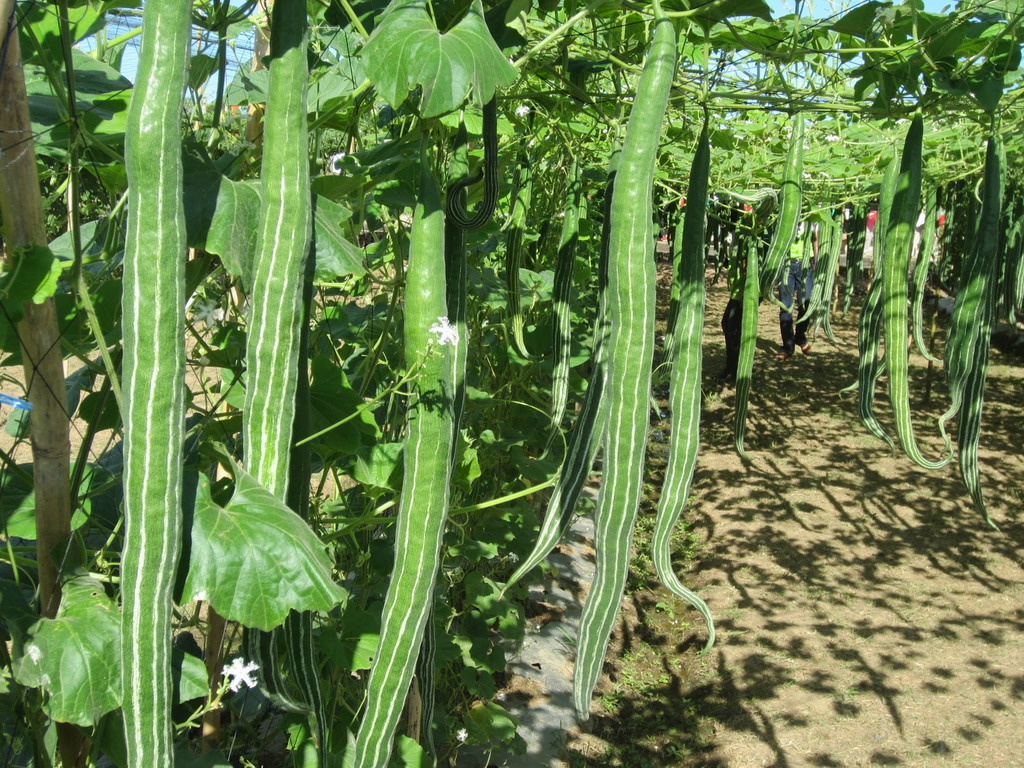
 Snake gourd belongs to a large vegetable family and of course, it is a climbing plant by nature.  It produces long and curved fruits that appear like snake hanging on the ground.It is a subtropical plant and very easy to grow fast from seed. It likes warm climate and produces lots of fruit for a long time.Snake gourd is very ethnic in India especially North and it belongs cucumber family.

SPECIFICATION OF SNAKE GOURD


Height: vining

Environment: partial shade
Soil Type: Loamy, well-drained, pH 6.1 - 7.8

Average Germ Time: 14 - 21 days

Depth: 1/4 inch

Moisture: Keep seeds moist until germination

 BIENNIAL PLANT

Biennials are sown like half-hardy annuals or perennials in spring or fall and planted out in September and October. Winter annuals such as some Californian and desert plants may be grown in summer, but are at their best sown in fall, even if grown in the greenhouse in cold winter areas.


   USE FUNGICIDE

It is best to use by mixing 2gms of fungicide in 10-litre water and spray it on the soil before sowing seeds. Or use in any plant at first time when you place in soil or repot.


 GERMINATION

 Snake gourd is very easy to grow from seed. Its seed can be shown directly to the soil.

1.Sprinkle diluted fungicide water (2gm in 1-litre water) after sowing the seeds.We have to care about putting the seed because seeds will not go deep into the mixture.


Snake Gourd seeds are notoriously slow to germinate and sprout.  Then you need to rough up the surface of each snake gourd seed in order to speed up their germination and growth. Then you need to soak the selected the seeds in water for full 24 hours before planting them. Select a place which receives six or more hours of direct sunlight to plant the seeds. The soil should be well-drained and well worked and enough rich soil.

This plant need strong support to prevent their fruits from touching the ground. Therefore it is recommended to create a fence. After sowing the seeds in the soil with 3 inches of peat moss, 2 inches of compost and 1 inch of perlite. Then you need to make sure the soil is warm enough in order to support the germination process.

You need to plan sow the seeds during spring. Need to push the soil to a depth of half inch by hand.Sow the seeds  apart  12 inches between the seeds. Everything as  order  get the opportunity to yield the vegetable in 2 months’ time. To  make it  more length knot a string down word the fruits with  a little weight.Then it will  be straight and lengthy.

USES OF SNAKE GOURD

The followings are a few advantages of snake gourd -

1.The juice of the snake gourd fruit may be used to not just deal with dandruff but in addition helps to avoid the signs and symptoms of the condition.

2.The leaves of the plant are helpful just as one emetic as well as purgative in youngsters struggling with bowel problems.

3.It really is abundant with proteins, vitamins A, B and C in addition to minerals.

Koromcha or Caronda Germination ,Growing ,Care, Use and its Surprising Health Benefits.


Caronda is a perennial evergreen plant. It needs subtropical climate until available grows up.Its seed will be available in 3 weeks time.Caronda can be also termed as an ornamental plant.Its fruits are oval type.It is a bushy  or small tree, with strong, simple or forked thorns in pairs. The plant attains a height of 6-10ft. It is met with throughout India, Burma, Ceylon and Malacca, mostly on sandy or rocky soil in a wild state. Leaves are evergreen, elliptic, or oval, opposite, dark green, leathery, glossy, on the upper surface, light green on under side.It is sometimes cultivated for its fruit.


SPECIFICATION OF CARONDA


Season: Perennial

Height:1 to 2 meters
Environment: Full sun
Soil Type: Loamy, well-drained, pH 6.1 - 7.8
Average Germ Time: 14 - 21 days
Depth: 1/4 inch

Moisture: Keep seeds moist until germination

GERMINATION OF CARONDA SEED

Step 1

Use a flat seedling tray and its deep will be 5 centimetres. Make sure you have plenty of holes in it for good water drainage.

Step 2

As the seeds are perfect in size then you can put the seeds over it by 1/3 after that cover the seeds with seedling mix only about 1 cm (one centimetre).


Step 3
 Take equal quantity of sand, soil and vermicompost. Then mix all the three ingredients into one container.

Step 4
  
Sprinkle diluted fungicide water (2gm in 1-liter water) after sowing the seeds.Be careful about putting the seed because seeds will not go deep into the mixture.


 Step 5
 Thereafter spread the Caronda seeds in the mixture.Make sure that the water must be mixed with diluted fungicide powder.It is very important to notice to follow that the seeds will not to go very deep inside the mixture by speeding water on the seed, if it happen then the fertilization of the seeds are become difficult.


Step 6
Minimum  warm, above 60ºF (15.5ºC), is needed inside the container and it should be placed in sunny area.After that the whole thing should be covered with a poly bag and after 21 days later the plastic can be removed.


The plant is grown from seed sown in August and September. Vegetative propagation also is practiced in the form of budding and inarching. Cuttings may also succeed. The first monsoon shower is planting time. Plants raised from seed start bearing two years after planting. Flowering starts in February and in Eastern  India the fruit ripens from May to Jully.The unripe fruit is sour and astringent, and is used for pickles. The ripe fruit is sweet, deible and particularly suitable for tarts and puddings and jellies.

WATER: Water requirement of Karonda is very low. Irrigation after planting and manuring is essential. Plantation once established does not need much water. However, if there is no rain during the development of fruit, one irrigation may be given. This will increase the fruit size.


MORE INFORMATION

Many of these germinate readily at warm temperatures, and can be sown direct to the garden or early in the greenhouse or cold frame. If started early, they often bloom the first year. Others germinate best at cool or cold temperatures and the seedlings need cool temperatures. Many have various dormancy and need the pre-treatment indicated.


These often need very warm temperatures. Bottom heat and constant moisture are often beneficial. Some take surprisingly long times to germinate. Many people think all tropical seeds are short-lived and perishable, but many of the longest-lived seeds are tropical, and some even need to be aged dry for a year before they will germinate!


SOIL

Many seeds do well sown direct to ordinary garden soil, but even good soil may be poor in pots or flats. These need a lighter, looser soil. Most commercial mixes are fine, but the addition of some garden soil and compost will often insure adequate beneficial micro-organisms and fungi, A good soil mix can be made at home from 1/3 garden loam, 1/3 peat or compost, and 1/3 gritty sand. Number 1 limestone chick-grit makes a good top dressing for many alpines or slow germinating seed to discourage algae growth. Crushed charcoal also helps.


BENEFITS

Karonda have the following benefits-

1.It provides comfort during Diarrhea.

2.It mitigates cough.

3.Koromcha helps to stop internal bleeding.

4.It is a cardio tonic for body. Thus it regulates heart function to avoid heart diseases.


Wednesday, 15 February 2017

Pumpkin Germination ,Growing ,Care, Use and its Health Benefits.


Pumpkin is a very common vegetable. It is a hot seasonal plant and it requires from 90 to 120 frost free days.Growing a pumpkin is easy, fun and rewarding.

SPECIFICATION OF PUMPKIN


Height: vining
Environment: partial shade
Soil Type: Loamy, well-drained, pH 6.1 - 7.8
Sowing Temperature: 20-25 C
Growing Temperature: 18- 38 C
Spacing: 50*60CM
Height when growing up: Sprawl
Grow up / Flower days: 90 days
Average Germ Time: 14 - 21 days
Fruit colour: green, yellow
Depth: 1/4 inch
Moisture: Keep seeds moist until germination
Plant Spacing: 8 - 12 inches

PUMPKIN SEED GERMINATION

For high yielding choice a site with full sun (to light shade) and lots of space for sprawling vines. Vine varieties need more area. Pumpkins are sown end of February eastern India and this is to make sure that the ground temperature is warm enough for germination.Make few holes and pure with manure.Sow three seeds in a  hole. Cover the seeds with side soil to maintain moisture in the soil. Seeds take 4 to 5 days for germination.
 

 Soak the seeds overnight and sowing direct on the prepared  soil.It will takes  4 to 5 days for sprouting.Pumpkin seeds won’t germinate in cold soil. Mound the soil in the centre of the chosen location up a bit to help the sun heat the pumpkin seeds. The warmer the soil, the faster the pumpkin seeds will germinate. In the mound, plant three to five pumpkin seeds about 1 inch deep.
As it is vine you need  to get support them .No need to do on the ground .So, on ground  sow 3 seeds forone and keep distance 4  feet between two  plants.Pumpkins should dig deep soil ploughing of 25-30 cm because of the plants with deep root systems. Should leave the soil exposed 5-7 days to kill pathogens and weed it. Should manure or compost To improve soil conditions incoherent. And increase the fertility of the soil.

FERTILIZING
Pumpkins are fast growers and heavy feeders and benefit from regular applications of fertilizer. Mature trees may require as much as 1/2 pound actual nitrogen per year. Apply fertilizer monthly, just prior to heavy pruning.


Saturday, 11 February 2017

Hibiscus Flower Germination ,Growing ,Care, Use and its Benefits.


Hibiscus is an Indian perennial flower. It is known for its large, showy flowers that come in a different range of shapes and colours.Its foliage looked like a large, glossy and yellow in color.It can be purchased or collected from the parent plants.


Sow in early spring for use as an annual
Plant in spring or autumn and grow them on in the greenhouse for their first year to plant them out in early summer of the following year.
For best germination soak seed in hot water for 48 hours before sowing. Change the water ever 12 hours with fresh hot water.
Sow in trays or pots of peaty compost, cover seeds with a sprinkling of sieved compost. Darkness will help germination. Place in a propagator or warm place, maintaining an optimum temperature of 24 to 27°C (75 to 80°F). Plants will flower in 12 weeks from sowing.


SPECIFICATION OF HIBISCUS

Bloom Color: Red,yellow,pink,white,gray
Environment: Full sun
Soil Type: Loamy, well-drained, pH 6.1 - 7.8
Temperature of 24 to 27°C (75 to 80°F)

Average Germ Time: 15 -30 days
Depth: 1/4 inch
Moisture: Keep seeds moist until germination
Sandy Soil, Loamy Soil, Clay Soil


GERMINATION GUIDE

 Hibiscus flower seed germination is not too complicated. Here are some following steps to germinate -

1. The seeds can be sowed 6-8weeks before the last frost is predicted.

2.Make sure that the water must be mixed with diluted fungicide powder.

3.This seed needs to nicking with a knife and then soaking them overnight in warm water.

4.Thereafter the flower seeds can be sowed into a small scalding tray or pot.It must be noticed that the drain pattern of the scalding tray well so that the poured water can be easily come out.

5. Then slowly cover the tray with a plastic polythene and keep the seeds moist not soggy.

6. Keep the temperature constantly warm and the soil consistently moist will aid germination.

7. When the seeds will grow up with small leaves then the plant can be moved to larger pots or direct to the soil.

8.These tender young plants should be introduced to the sun gradually over several days. At this point, a water-soluble fertilizer can be used.

BENEFITS OF HIBISCUS FLOWER

Hibiscus is a beneficial flower plant. Its different parts are used in many different sources. The tea of Hibiscus flower helps to maintain lowering cholesterol, protects the liver, work as anti-cancer properties, weight lose and many others.


Mexican Zinnia Seeds Germination ,Growing and Care.


Mexican Zinnia is beautiful native flower plant can grow to 24 inches. It is a hardy plant grows especially in summer.It needs full sun to germinate its seed.

SPECIFICATION OF MEXICAN ZINNIA


Indoors: March to April
Start indoors four to six weeks before the last frosts.
Gradually acclimatize indoor started seedlings outdoors after all danger of frost has passed and the weather has warmed considerably. Plant out 25 to 30cm (10 to 12in) apart.


GERMINATION GUIDE

  1. Sowing Outdoors in April to July.Dig in a good amount of organic material.
  2. Create a bed on the ground with vermicompost or take seedling tray and cover the tray with vermicompost.
  3. Add compost and all-purpose fertilizer before sowing.As because seeds of zinnia flowers can be sown directly into the sunny flower bed, as developing roots do not like to be disturbed.
  4. Sow the seeds in a container that can be planted directly into the garden later.
  5. Sow seeds after the last frost, and in an area with full of sun. Sow seeds 5 to 7cm (2 to 3in) apart in rows 30cm (12in) apart. Cover seeds with light soil.
  6. Keep soil moist until seeds germinate, in 5 to 10 days.
  7. Grow in fertile, rich, and well-drained soil
  8. Germinate within 7 - 14 days.
  9. the seeds in peat pots, poo pots (pots made from cow dung) or other biodegradable containers that can be planted directly into the garden later. Start seeds four to six weeks before the last frost date in your area.
  10. Read more about Gardening Know How: Zinnia Care – How To Grow Zinnia Flowers https://www.gardeningknowhow.com/ornamental/flowers/zinnia/growing-zinnia-flowers.htm


CARE AFTER GERMINATION


  • When plants are 3 to 5cm (1 to 2in) in height, transplant to 7cm (3in) pots and grow on. Gradually acclimatize indoor started seedlings outdoors after all danger of frost has passed and the weather has warmed considerably. Plant out 25 to 30cm (10 to 12in) apart.
  • Cut above a leaf node to get more flowers.


WATERING :

Watering it daily but do not over-water the plant.


Thursday, 2 February 2017

Pomegranate seed germination and its Wonderful Heath Benefits


Pomegranate plant comes in a shrub.It has large fruits and small flowers usually one inch in diameter which is red or orange.It likes good sunlight and good drainage system. The fruits are usually harvested in September and December.
SPECIFICATION OF POMEGRANATE
USDA Zones: 3 - 10
Height: 60 - 84 inches
Bloom Season: September to December
Environment: Full sun
Soil Type: Loamy, well-drained, pH 6.1 - 7.8
Temperature: 75 - 80F
Average Germ Time: 14 - 21 days
Depth: 1/4 inch
Moisture: Keep seeds moist until germination
Plant Spacing: 10 to 12 feet apart
Sandy Soil, Loamy Soil, Clay Soil
Sow Outdoors: Surface. Following the last frost. Spacing 4 to 24 inches (10 to 60 cm).
Sow Indoors: Mix seeds in a growing medium, place in a freezer bag, keep moist, then stratify by refrigeration for two to three weeks. Use peat pots. Germination time: one to three weeks in the light. Temperature 75°F (24°C). Seven or eight weeks in advance. Transplant outdoors in the last month of spring.
GERMINATION GUIDE
Step 1
Use a flat seedling tray and its deep will be 5 centimetres. Make sure you have plenty of holes in it for good water drainage.
Step 2
As the seeds are perfect in size then you can put the seeds over it by 1/3 after that cover the seeds with seedling mix only about 1 cm (one centimetre)
Step 3
Take equal quantity of sand, soil and vermicompost. Then mix all the three ingredients into one container.
Step 4

Sprinkle diluted fungicide water (2gm in 1-litre water) after sowing the seeds.
Step 5
Thereafter spread the Pomegranate seeds on the mixture. Make sure that the water must be mixed with diluted fungicide powder.It is very important to notice to follow that the seeds will not to go very deep inside the mixture by speeding water on the seed if it happens then the fertilization of the seeds are becoming difficult.
Step 6
Cover the seedling pot   tightly plastic polythene wrap over the pot to promote soil moisture retention and place it in a dimly light area of the house. Lift the plastic after 2  days to check that the soil is moist or not. If not, lightly moisten it with a water-filled spray bottle before replacing the plastic. Expect germination within three to five days.
Step 7
Remove the plastic as soon as the seedlings emerge, and gradually move the pot to a brighter area over a two-week period so that at the end of that time they're acclimated to being in full sunlight.
FERTILIZING
Pomegranates are fast growers and heavy feeders and benefit from regular applications of fertilizer. Mature trees may require as much as 1/2 pound actual nitrogen per year. Apply fertilizer monthly, just prior to heavy pruning.
IMPORTANT WATERING USE: Use watering can for watering. By moving the water stream constantly waves the can. Do not let the water to flood area. Or use the sprayer to spray the water like mist.

Heath Benefits of Pomegranate


It is one of the healthiest fruits in the  world . It has many incredible health benefits . It  has rich anti-oxidant, anti-viral and anti-tumor properties and is said to be a good source of vitamins.Especially with  vitamin A, vitamin C, and vitamin E, also with folic acid.
1. Protects us from free radicals work for Anti Ageing

Pomegranate is rich in anti-oxidants and  protects our body from free radicals, which are responsible for premature ageing.
2. It thins your blood
Antioxidants present in pomegranate act as a 'thinner for your blood'. The seeds of pomegranate prevent your blood platelets from forming clots and coagulating.
There are two types of blood clots, first is the good one which speeds the recovery during a cut or an injury and second is when there is any internal clot, like in heart, arteries or anywhere else inside the body. These type of clots are not good and can be fatal.

3.
It acts like an oxygen mask

The anti-oxidant property of pomegranate prevents bad cholesterol from oxidizing. Due to anti-oxidants present in pomegranate, it fights to free radicals and  reduces cholesterol and also prevents the blood clot.Pomegranate helps to pump the level of oxygen in our blood. So, eating regular pomegranates removes the excess fat and prevents the Heart Attack.

4. It prevents arthritis

Pomegranate can reduce the damage of the cartilage by fighting the enzyme that does so. Pomegranate also has the ability to reduce inflammation.
5. Boosts immunity
Pomegranates are extremely healthy for those suffering from immune-related disorders like rheumatoid arthritis and osteroarthrits. And also rich in vitamin C, which boosts antibody production and helps in the development of immunity. Pomegranates can  help to maintain a healthy immune system .
6. Fights heart disease and prostate cancer

Two studies claim that pomegranate juice has the ability to fight prostate cancer. Pomegranate juice  prevents cardiovascular diseases.
7. Rich  nutrients with  pomegranate
A cup of pomegranate seed contains 24 grams of sugar and 144 calories.
A cup of pomegranate seeds contain following nutrients:
Fiber: 7 grams
Protein: 3 grams
Folate: 16 %
Potassium: 12 %
Vitamin C: 30 %
Vitamin K: 36 %
8. It improves memory

People who had a problem with their memory were given 237ml of pomegranate juice every day. After a certain period of time, a lot of improvement was seen in their verbal and visual memory.  Pomegranate consumption can also prevent Alzheimer's.

9. It keeps lowers blood pressure
It  help to lower cholesterol, triglycerides and reduce blood pressure.
 
10. Helps in digestion

As pomegranate with rich fiber is good for digestion. One pomegranate contains 45 per cent of our daily recommended intake of fiber.

Nigella plant Germination ,Growing ,Care, and Uses.


Nigella is a colourful annual flower. It has many different colours like 
 pale blue, white, pink etc.

SPECIFICATION OF NIGELLA


Difficulty Easy
Exposure: Full sun
Season: Half hardy annual.
USDA Zones: 3 - 10
Height: 8 to 20 inches (20 to 50 cm).
Bloom Season: Summer through fall
Environment: Full sun
Soil Type: Loamy, well-drained, pH 6.1 - 7.8
Average Germ Time: 14 - 21 days
Sowing Temperature: 20--25C
Growing Temperature: 18--35C
Grow up / Flower days : 80days
Spacing:15×15cm
Colour of Flower: Light blue
Depth: 1/4 inch
Moisture: Keep seeds moist until germination
Plant Spacing: 20-30cm (8-12″).
Soil: Fertile, well-drained soil.
Optimal soil temperature for germination: 18-21°C (65-70°F). Seeds should sprout in 8-15 days.


 GERMINATION GUIDE :

Step 1

Use a flat seedling tray and its deep will be 10 centimetres, and fill seedling mediator within 3/4  of the rim with a sterile potting soil or sieved vermicompost. Fill the tray with diluted fungicide water (2gm in 1-litre water). Make sure you have plenty of holes in it for good water drainage. And  Allow the soil in the flat to absorb the water through the bottom drainage holes until the soil surface becomes moist.

 Step 2

Sow the seeds in prepared beds and gently press them into the surface. Keep moist until the seeds germinate. Because of their lacy foliage, nigella seedlings are easy to recognize among weeds. Nigella usually grows better from direct-sown seeds than from transplanted seedlings.Keep the distance 11" with the other plants.Try to sow seeds two or three times from late spring to early summer, because they stay  only few weeks. Flower colours include white, blue, pink and purple.

Step 3
Moist again with diluted fungicide water ensure the soil surface it's evenly moist. Cover tightly plastic polythene wrap over the pot to promote soil moisture retention and place it in a 60 to 70 degree Fahrenheit location or in an artificial area of the house that receives indirect light to germinate if it planted in a seedling pot. Lift the plastic after two days  to check that the soil is moist or not. If not, lightly moisten it with a water-filled spray bottle before replacing the plastic.


Step 4
 
The Nigella usually sprout within14 to 21 days.Remove the plastic as soon as the seedlings emerge, and gradually move the pot to a brighter area with six to eight hours of daily sunlight for a two-week period so that at the end of that time they're acclimated to being in full sunlight. Water the seedlings when the soil surface feels dry.

 Step 5

Transplant the Nigella outdoors or in a new pot when they are about 4 weeks old and about 4 to 6 inches tall. Plant at them 6 to 8 inches apart on the ready ground with same depth were they growing at previously.


GERMINATION CARE
After the seedlings germinate, they can relocate to a sunny south- or west-facing window. The soil is kept moist at all times, but not allowed to get soggy. Once the seedlings have three true leaves, they are fed every two weeks with a liquid houseplant fertilizer. Pinching out the growth tips isn't necessary.


IMPORTANT WATERING USE: Use watering can for watering. By moving the water stream constantly waves the can. Do not let the water to flood area. Or use sprayer to spray the water like mist


Monday, 19 December 2016

Benefits of Sapota or Chikoo


Description:
The name ‘sapota’ might not be familiar to most of us. Sapota is another name for the fruit better known as ‘chikoo’. It has 2-5 big, black, shiny bean-like seeds in the center. The unripe fruit has a hard surface and white pulp due to its high content of latex. The latex content reduces as the fruit ripens and its flesh acquires a brown color. It has a smooth and grainy texture with a sweet and musky flavor. It is rich in calories and its sweet flavor can be attributed to the presence of simple sugars like fructose and sucrose that replenish energy and revitalize the body.


Other names: Nose berry, Sapodilla plum, Chickoo sapote
Height: 10 centimeters (approx)
Weight: 150 grams
Contain vitamins: Vitamin A and C

Sapota is one of those fruits which are great for health besides being extremely delicious.For best results, the sapota fruit should be eaten ripe. Raw sapota fruits are extremely bitter due to high content of tannin and latex, and can cause mouth ulcers, itching sensation in the throat and difficulty in breathing.The various health benefits of sapota are given below:
  • Good for the Eyes
  • Source of Energy
  • Anti-inflammatory Agent
  • Prevention of Certain Cancers
  • Healthy Bones
  • Relief from Constipation
  • Aids in Weight Loss
  • Benefits during Pregnancy
  • Combination of Vitamin A & C
  • Remove Tooth Cavities
  • Anti-viral and Anti-bacterial Properties
  • Anti-diarrhea l
  • As a Detoxifying Agent
  • It is advisable for individuals suffering from insomnia, anxiety and depression
  • It helps in the alleviation of cold and coughs
  • Expel Kidney Stones protect against kidney diseases as well

Other Health Benefits: Magnesium contained in Sapota is beneficial for blood and blood vessels whereas potassium helps in regulating blood pressure and promoting healthy circulation. Folate and iron prevent anemia. Sapota helps in strengthening the intestines and in improving their performance. In short, eating sapota or chikoo fruit helps in developing body resistance against many infectious diseases.

Skin Benefits of Sapota/Chikoo:
The wide array of vitamins, minerals and antioxidants found in the sapota fruit makes it an amazing choice for healthy and glowing skin. Thus, this article will be incomplete without talking about the skin benefits of this tasty fruit.
Sapota fruit helps to make your skin glowing, thus reducing your requirement of skin care products to enhance your natural skin texture and complexion. The Vitamin E in this fruit moisturizes your skin, thus giving you healthy and beautiful skin. Hence, eating sapota fruit is good for the skin.
Sapota fruit is rich in antioxidants. Therefore, it acts as an anti-ageing agent by eradicating free radicals in the body which are responsible for enhancing the ageing process. It is also effective in reducing wrinkles.
The seed kernel oil of sapota is used as a skin ointment. The residue of this seed, after the extraction of oil, can be applied as a poultice on painful skin afflictions.
The milky sap of the sapota plant can be used to remove warts and fungal growth on the skin.

Friday, 5 June 2015

Climbing Strawberry germination


The Alpine Strawberry is the most common type of strawberries grown from seed. Once you try fresh strawberries, you will see growing them at home is worth the effort.Starting strawberries from seed is an inexpensive method and bears fruit in their second year if started in early spring.

COLD GERMINATION
  1. Put seeds into 40° C water for 24 hours.
  2. Put seeds into very wet sands or coco pit then it must be able to retain the moisture and to circulate the oxygen for germination. ( Generally, it takes more than 40 days. )
  3. Move it into the soil after it sprouts.
  4. Germination temperature: 20-25℃
  5. Zone: 5-9
  6. Germination time: 40 days
  7. Growth optimum temperature: 10-25 ℃
  8. Spacing: 20 * 20cm
  9. Rose on soil does not ask for much, just with some humus soil aggregate.


Instructions


Strawberries are hardy perennials, but the plants become less robust after about three years. Start your strawberries from seed, and then propagate by cuttings and runners. Follow along with this handy How to Grow Strawberries from Seeds guide and grow some sweetness....

Timing:


Sow indoors in the winter. An earlier start may result in berries the first year. Start anytime between December and the beginning of February. After that time, they will still work, but you will not harvest berries during the first season. Transplant out at least 3 weeks after the last frost....


Starting:


Germination is the trickiest aspect of growing strawberries. Be patient, and try the tricks below.
Take your strawberry seed packet inside a sealed plastic bag or airtight container and place in your freezer for 3-4 weeks. When you remove the bag or container, do not break the seal until it (and its living contents) have reached room temperature. This may take several hours. Err on the side of caution. Opening the package too quickly may result in water condensing on the cold seeds, and this will reduce your chances of success.
Once the sealed package has “thawed” to room temperature, you’re ready to plant. Sow the seeds on the surface of pre-moistened, sterilized seed starting mix in trays or small containers. Place these on a piece of felt or other thick cloth that has its end sitting in water. The idea is to wick up water from below so that the seedling medium stays constantly and evenly damp until germination.

Keep your seeded trays under bright fluorescent lights at a constant temperature of 18-24°C (65-75°F). Germination may take anywhere from 7 days to 6 weeks. Be patient. Once germination occurs, increase ventilation around your plants to prevent damping off.


After your plant seedlings have their third true leaf, they can be transplanted into their own pots. Be sure to harden your seedlings off carefully and gradually before transplanting outside......


Growing.


Space transplants 60cm (24?) apart in rows 90-120cm (36-48?) apart. Everbearing varieties (such as ours) tend to produce fewer runners and will produce more fruit if the runners are removed. In the first year of growth, it may be preferable to encourage runners, and let them fill in the spaces between transplants with new offspring plants.....


Grow strawberries in a well-drained, sandy loam that has been generously dug with organic matter such as finished compost or well-rotted manure. Dig ¼ cup complete organic fertilizer into the soil beneath each transplant. Keep soil moist, but not soggy. A mulch of straw around plants may help prevent the soil from drying out.....


Companion Planting.... These little plants respond strongly to nearby plants. Couple them with beans, borage, garlic, lettuce, onions, peas, spinach, and thyme. Avoid Brassicas and fennel.....


GROWING DETAILS


1. After buying the strawberry seeds, purify them with SAB for 6-7 hours. Then place them in the freezer for 2 weeks. This will improve the percentage of seeds that will germinate. Freezing stimulates the natural process of the seed going through the winter months and will help jump-start the strawberry seeds when you plant them.


2. Now sift the growing media in order to eliminate the lumps of any hard material present in it. The media can be either coco peat or peat moss.


3. Prepare your seed tray. The growing media should be 1/2 inch deep. Or you can make the bed under shade. After this, thoroughly moisturize the media.


4. Sprinkle the seeds over the damp growing media and add a light dusting of peat moss or coco peat so that it covers the seeds. Lightly sprinkle water over it.


5. Keep the seeds moist by spraying water regularly for 4 consecutive days. Make sure it receives direct sunlight. Take no risks. SUNNY WEATHER IS MANDATORY.


6. The strawberry seeds take approximately 15 days to germinate. Once the strawberry plants have sprouted, wait for the 3rd true leaf to transplant into bigger containers.


7. When the 3rd leaf finally appears, transplant the plants into larger pots. If weather permits, the plants can be planted right outside. Continue to care for the plants, keeping it well drained and moist and providing slightly alkaline soil.


8. If strawberry flowers appear in its first year, pick all flowers off the plant. This will ensure the plant is established well, before producing fruit. After the strawberry plant has gone through its first winter, it will be ready to produce fruit the next summer.


Use a flat tray container about 10 inches by 15 inches (biggest or smaller your choice) 1.5 to 2 inches deep. Make sure you have plenty of holes in it for good water drainage - put the seedling mix you prepared up to almost top leaving about 0.5 inches space- now evenly spread the seeds over it after that cover the seeds with seedling mix only about 0.5 cm (half a centimeter)-water it by watering can- place the container in semi-shaded place.  


IMPORTANT WATERING USE: Use watering can for watering. By moving the water stream constantly waves the can. Do not let the water to flood area. Or use sprayer to spray the water like mist